What role does the circular economy play in the 2026 urban transition?
The circular economy applied to real estate makes it possible to reduce environmental impact by extending the life of buildings and optimizing the reuse of materials, avoiding the waste of natural resources and new emissions linked to construction.
A key theme is the conscious management of real estate assets. Climate protection requires abandoning the logic of abandonment in favor of recovery. Every square meter removed from decay and returned to the community with an energy-efficiency approach represents a success for the country’s climate policy.
The concept of the circular economy is reflected in the ability to view existing assets as a reserve of value and opportunity. Regeneration means infusing new energy into structures that have exhausted their original function, transforming them into technological hubs, sustainable co-working spaces, or green residences.
Towards “Climate-Proof” Real Estate
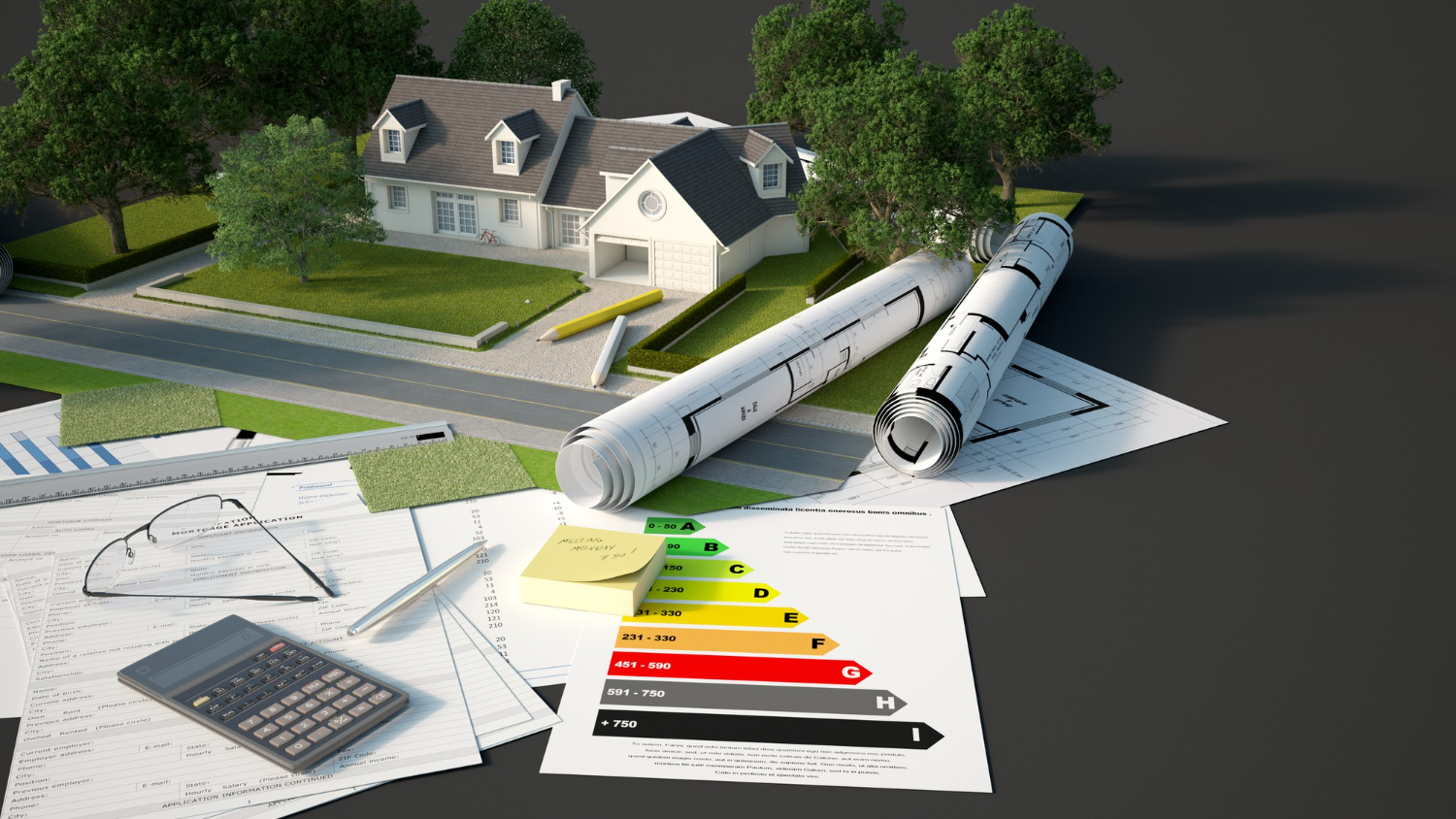
A “climate-proof” real estate stock is one that integrates energy efficiency, smart water management, and low-carbon materials.
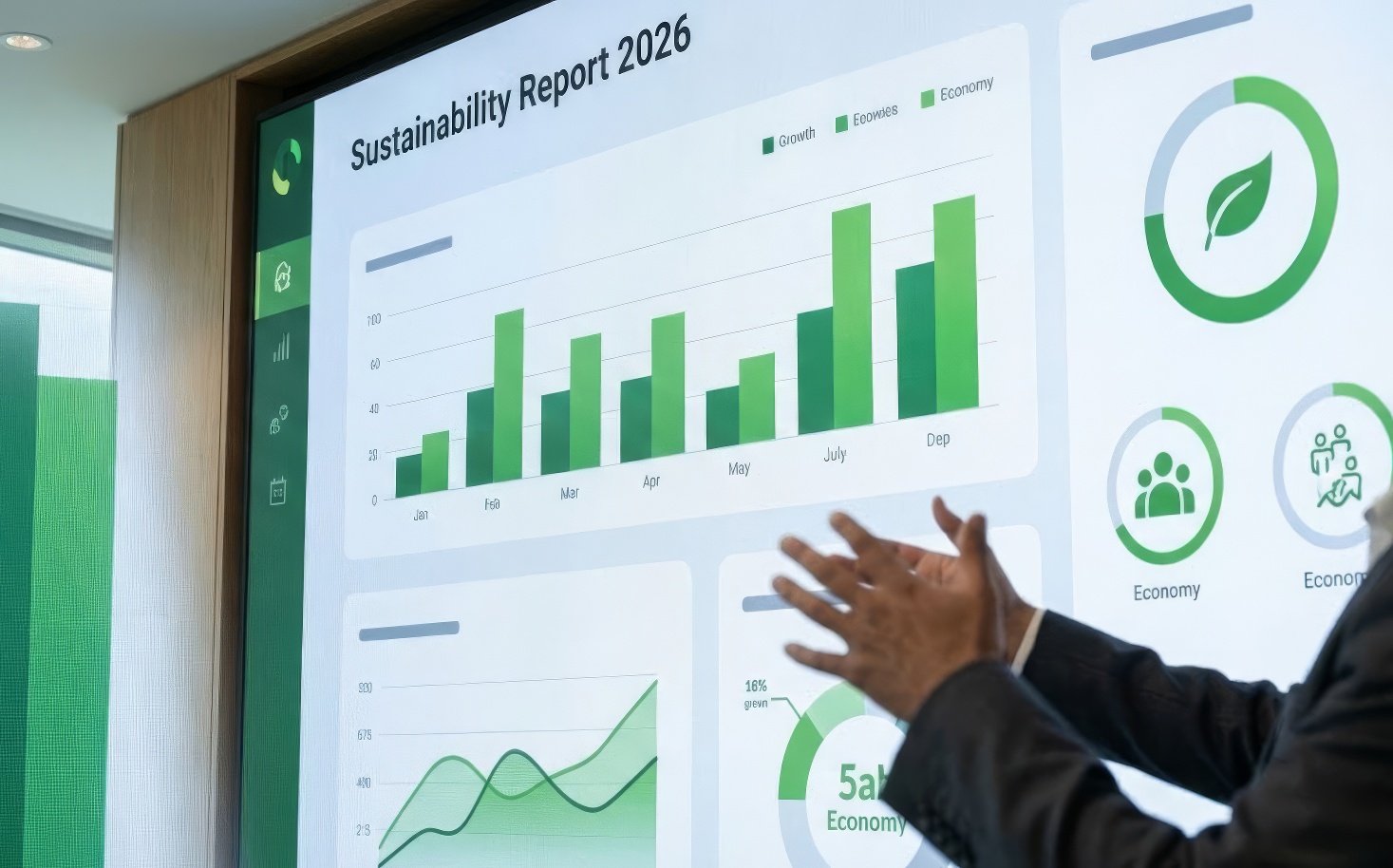
In 2026, sustainability has become the main parameter for assessing the value of a territory. The initiatives discussed today in Bolzano emphasize how collaboration between public bodies and a strategic market vision can accelerate the transition. Transparency in energy data management and long-term urban planning are the tools that will enable Italian municipalities to lead the global challenge against the critical climate change.
FAQ: Energy Day 2026 in brief
What is the main focus of the Bolzano conference?
The focus is the integration of renewable energy within historic and modern urban fabrics, with particular attention to technical solutions for Italian municipalities.
How does the energy transition affect property values?
Efficient buildings located within Energy Community contexts see an increase in value linked to reduced operating costs and lower environmental impact—criteria increasingly demanded by the market in 2026.
Why do we talk about “climate protection” in the real estate sector?
Because the construction sector is responsible for a significant share of global emissions; acting on the recovery and efficiency of the built environment is the most powerful lever to achieve climate neutrality.
Beyond 4 March
Energy Day 2026 reminds us that the transition is a collective journey. Climate protection and the development of municipalities are two sides of the same coin: a commitment that requires vision, expertise, and ethical stewardship of real estate